Teach towards the first turn, not the last exception
A short teaching outline can give new players enough context to act while keeping the rulebook close.
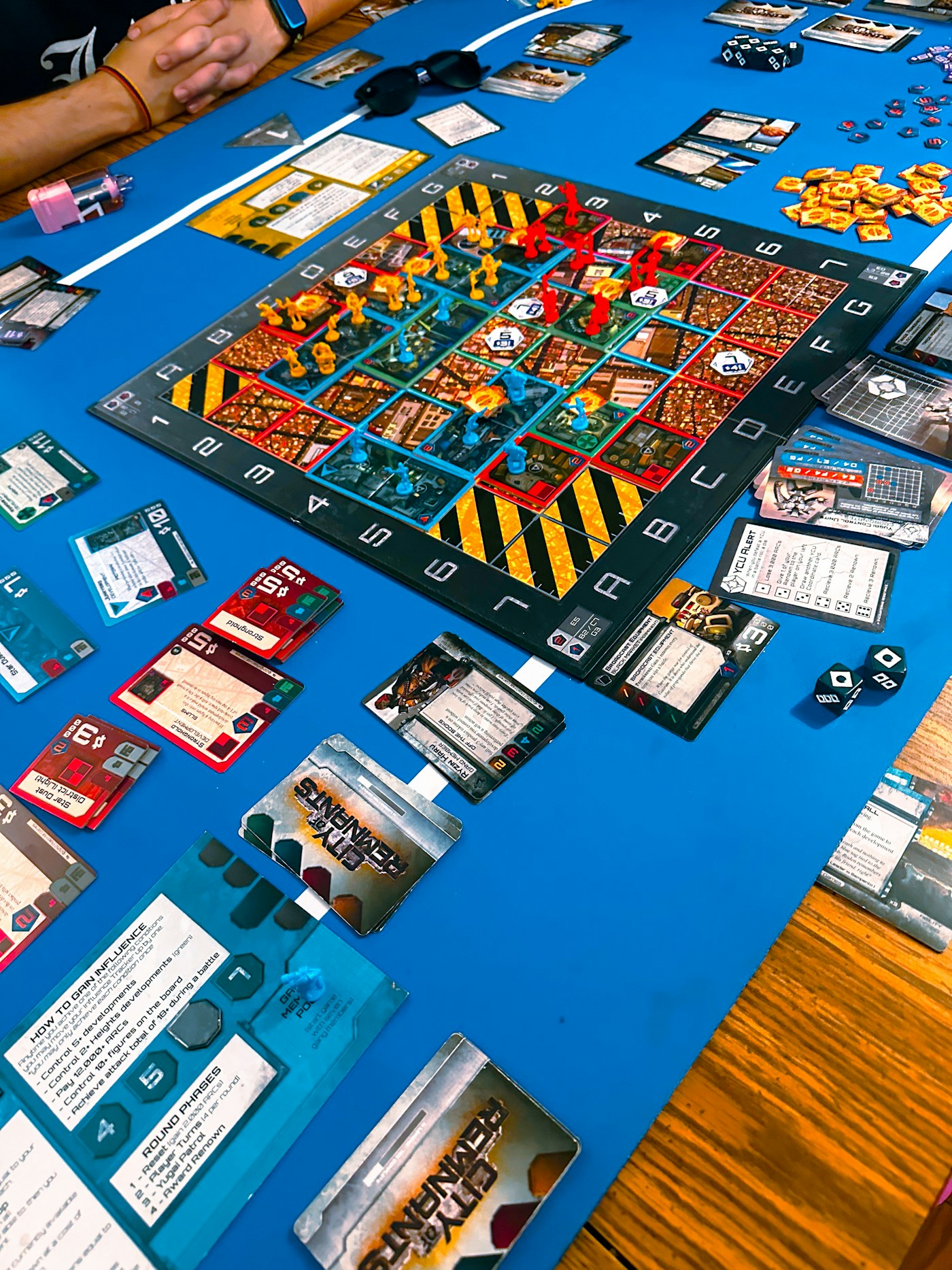
A rule explanation becomes difficult when every sentence opens another exception. New players are trying to understand what the pieces mean, what they are allowed to do and why any of it matters. A teaching outline can put those questions in a helpful order without replacing the published rules.
Start with the shape of play
Before discussing individual cards, explain the broad activity and how the game ends. Say whether players are competing, cooperating or working in teams, then describe the objective in the terms used by the rulebook. If the game has hidden objectives, explain what can be explained without revealing private information.
Show one ordinary turn or round using a small example. Make clear which parts are choices and which parts happen automatically. Avoid choosing an unusually clever move for the demonstration. The example should help someone recognise their first decision, rather than demonstrate the teacher's experience.
Give pieces names as they become relevant
Point to a component when introducing its role. A simple sequence of taking, using and returning a token may explain more than a tour of every item in the box. Use the names printed in the rules so that players can connect your explanation with reference cards and future questions.
Set aside components that are not used in the chosen introductory setup. Check the official setup instructions first; do not quietly invent a simpler version and present it as the published game. If the group agrees to a variation, name it clearly and record what changed.
Separate essential rules from later details
Keep a short list of rules players need before making an informed first move. Then identify details that can be explained when they become relevant, provided withholding them does not mislead anyone about an important decision. This judgement depends on the game. Some scoring conditions must be known from the start.
Tell the table where the full answer lives. Keep the current rulebook and any official clarification available, and distinguish a remembered interpretation from a checked rule. Saying that you need a moment to verify something is more useful than confidently teaching a mistake.
Check understanding through an action
Instead of asking only whether everyone understands, invite a new player to describe an ordinary legal turn with the example components. Offer help without turning the exercise into a test. Let players ask why a choice might matter, but avoid planning their strategy for them.
After the first round, pause for one short check. Revisit a missed rule openly and agree how to handle it. Save a note for the next explanation: one point that caused confusion and one example that helped. A better teach usually comes from a clearer sequence, rather than adding more words to the beginning.