Make a player aid that answers the repeated question
A useful reference card reduces a specific interruption instead of shrinking the whole rulebook.
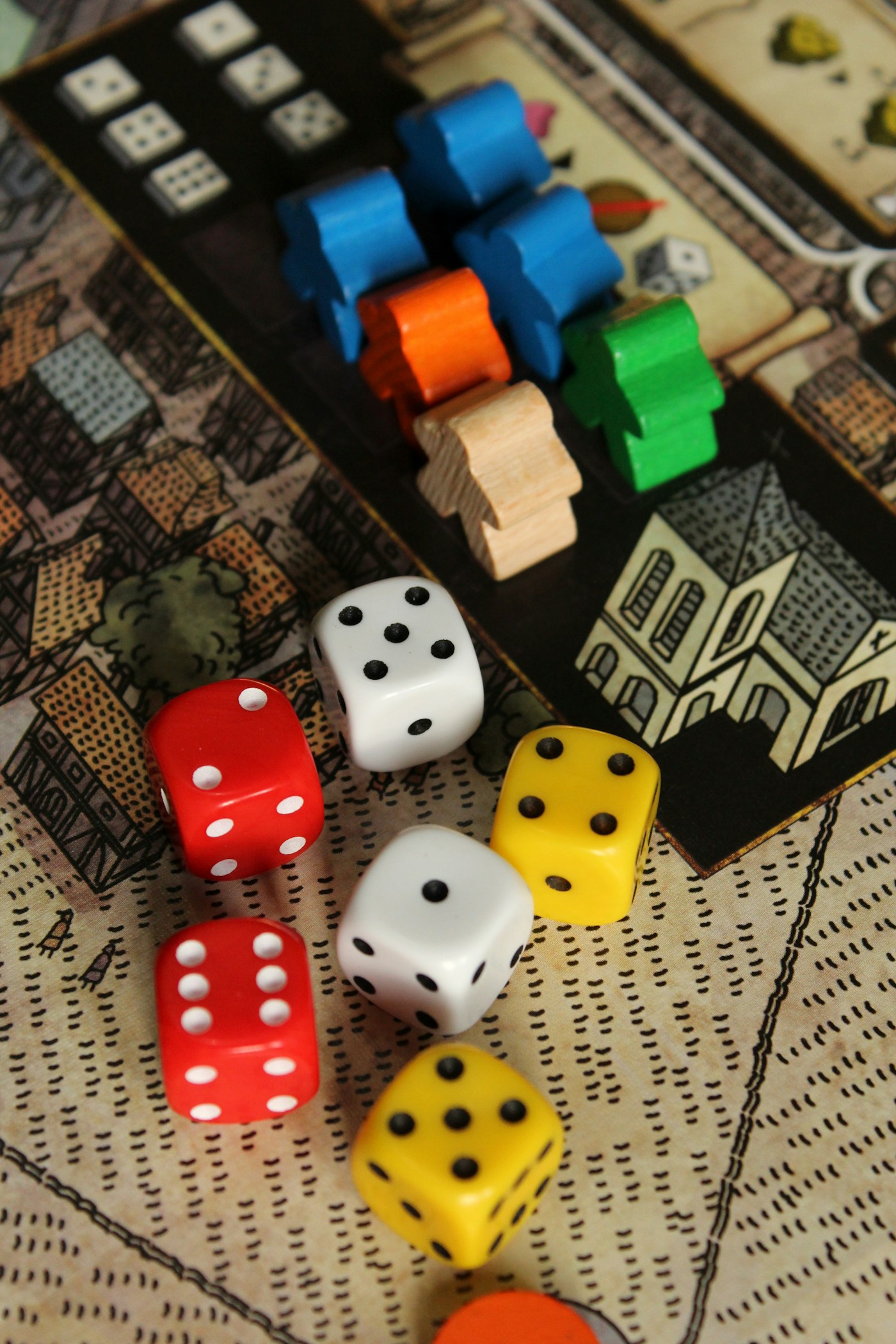
A homemade player aid is most useful when it has a small, clearly defined job. It might show the order of a round or remind players what happens at the end of a turn. Trying to fit the whole rulebook onto a page often produces a dense miniature that nobody wants to read.
Collect questions before designing answers
During a play, note the questions that recur. Write the question in the words someone used: what happens after this phase, where does the spent token go, or when do we check the end condition? After the game, choose one or two questions that a reference could genuinely help with.
Check each answer against the edition and rules used by your group. Expansions and revised editions may change a sequence or introduce exceptions. Put the game title, edition where relevant and the date of your aid on the page so that it does not become an anonymous source of confident mistakes.
Follow the order of use
If the aid is about a turn, arrange information in turn order. If it is about symbols, group symbols by the place where players encounter them. Avoid ordering information according to the sequence in which you happened to write it. The page should match the moment when somebody reaches for it.
Use short labels and enough space between them. A heading such as end of turn should be easy to locate without reading every line. Write original concise reminders rather than reproducing large passages or artwork from the rulebook. Keep an official reference available for full explanations and edge cases.
Distinguish reminders from decisions
A procedural aid should say what the rules require or allow. Strategy suggestions belong on a separate page, if the group wants them at all. Combining the two can make a personal preference look like a rule and can overwhelm a new player who is still learning the available actions.
Include a visible note that the aid is unofficial and that the published rules take precedence. If a reminder has an important exception, either include a clear pointer to the relevant rule or leave that topic out. Brevity is not useful when it makes the statement misleading.
Test it without explaining it
At the next session, let someone use the aid without a tour. Notice whether they find the answer, overlook a heading or misread an abbreviation. Ask which line they would remove. Make one revision after the session rather than redesigning the page during play.
Retire old copies when you update the aid. A small version number prevents two players from consulting different instructions at the same table. The measure of success is not how much information the page contains; it is whether the repeated question now has a quick, dependable answer.