Keep a play log that helps the next session
Record the teach, the setup and the questions worth checking, rather than reducing every evening to a winner.
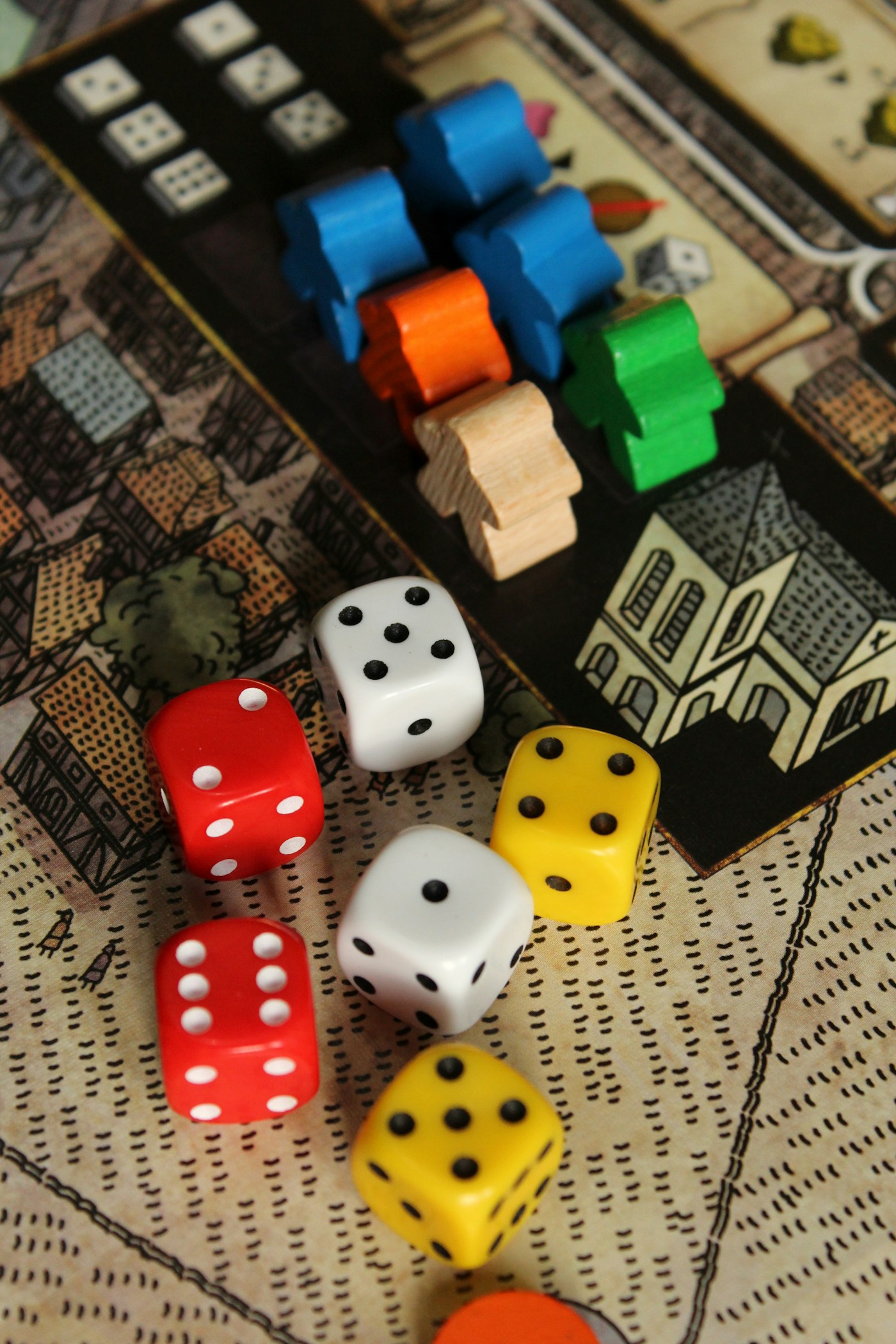
A play log can be more than a list of results. A few notes about setup, the explanation and the table's practical needs can make the next session easier to host. The trick is to record useful context while keeping the page short enough that someone will complete it after packing away.
Make the basic entry easy
Start with the game title, edition or expansion if relevant, date and player count. Add the approximate length of the session and note whether that includes teaching. If the group wants scores or a winner recorded, include them, but make those details optional rather than the only reason for keeping the log.
Use names only with the players' agreement, especially if the log might be published or shared beyond the group. Initials or a player count may be sufficient. A private notebook should not quietly become a public record of someone else's leisure time.
Record what the teacher will forget
Write down the part of the explanation that caused confusion and the example that helped. If a starting resource or setup step was missed, record the corrected version after checking the rulebook. A vague note saying that setup was difficult is less useful than a sentence naming the exact step.
Keep unresolved questions in a separate box. Include the relevant card name or rulebook section so that you can check the question later. When you find an official answer, add its source and date. Do not let an unverified memory become the teaching note for the next group.
Describe the session, not the players
Useful observations concern the arrangement: shared information was hard to read from one end, the table was too narrow for the personal areas, or the session began too late for a complete second round. Avoid turning the log into judgements about who is a slow or difficult player.
If someone suggested a practical adjustment, record it as an option to ask about next time. A different seat, a clearer reference or a quieter teaching space may be enough. The notebook should support participation rather than create labels that follow people from session to session.
End with one next action
Choose a single useful follow-up: verify a rule, replace a missing bag, print an updated unofficial reference or schedule a return with the same setup. Put that action somewhere it will be seen before the next play.
After several entries, look for repeated friction instead of ranking the entire collection. If the same teaching question appears three times, improve the explanation. If a game keeps being abandoned for lack of time, choose a different evening for it. The value of the log is the small improvement it makes possible, rather than the number of sessions it can count.