Give the table a reset between games
A deliberate pause helps the next game begin with clear space, complete components and a fresh explanation.
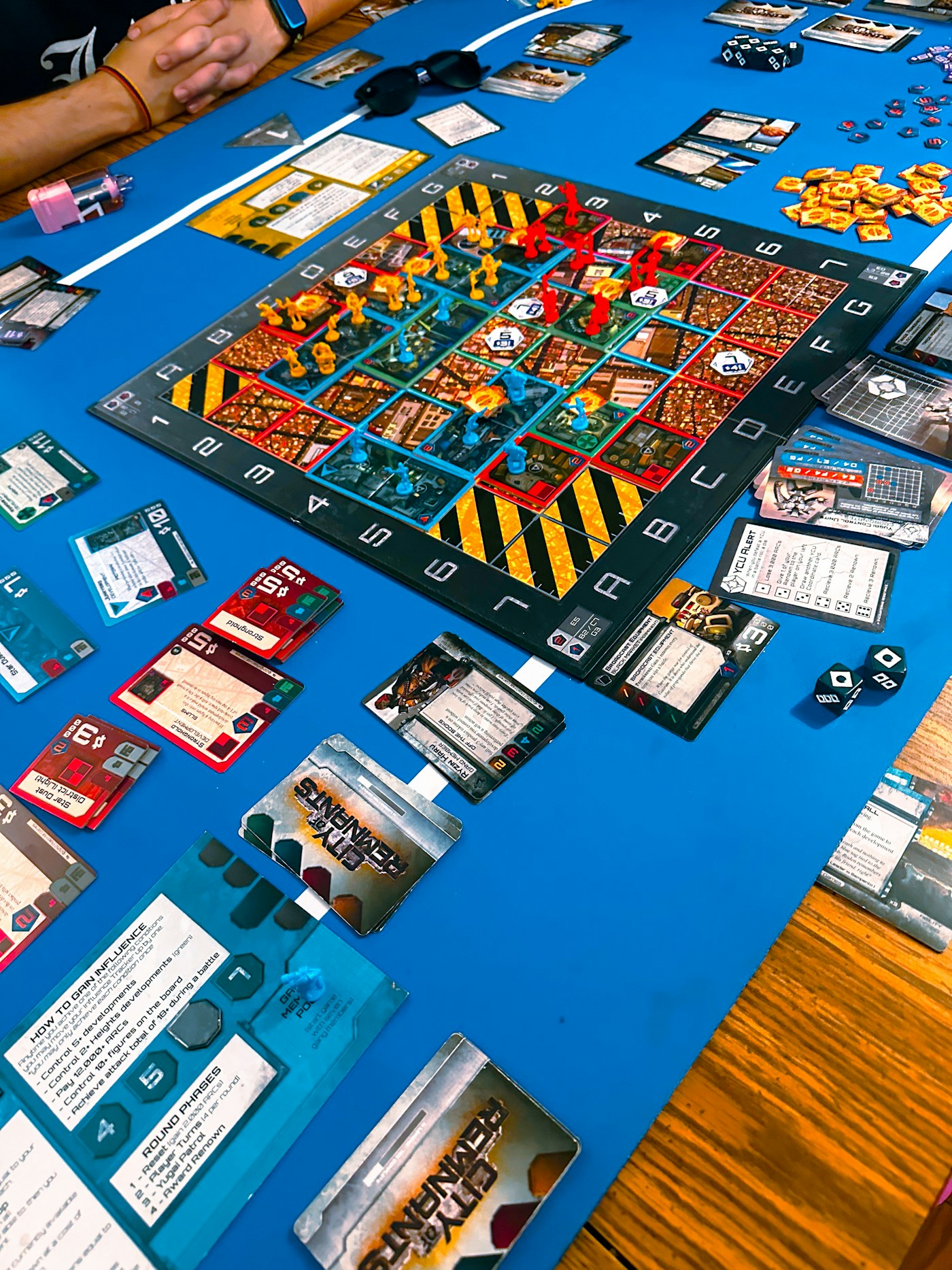
Moving straight from one game into another can leave the next setup competing with score sheets, snack bowls and pieces from the previous box. A brief reset is a simple hosting habit. It creates a clear ending for one game and gives the next one a fair beginning.
Close the game before opening the next
Finish any agreed scoring and let players ask a final rules question. If there is an unresolved interpretation, record it for later checking instead of allowing it to occupy the whole break. Make clear whether the result is final or whether the group has agreed to revisit it after consulting an official answer.
Ask whether people want another game before unpacking it. Someone who stayed for the previous round may now need to leave. A fresh invitation makes that easy to say and prevents a new box from silently becoming a commitment.
Return components by their destinations
Use the game's component list or packing notes where available. Group pieces by where they belong in the box, rather than sweeping everything into one pile and sorting it later. Check the floor and the space around each chair for dropped items while the table is still clear enough to notice them.
Keep cards and counters from different games separate. If you discover a missing component, write a note and place it where the next person opening the box will see it. Avoid pretending that a guessed substitute is an original piece; explain any replacement before future play.
Reset the shared space
Clear rubbish, move drinks away from components and make room for the new board or play areas. Let players adjust seats before dealing private information. Check that everyone can see shared information and reach the parts they need without disturbing another player's area.
Offer a pause for ordinary needs. The break is useful even when it takes longer than five minutes. A comfortable, attentive group matters more than preserving a schedule so tightly that someone has to miss the opening explanation.
Begin the next explanation from zero
Do not assume that a rule from the previous game carries over. Say what the new game's objective is, how a turn works and how play ends. Familiar components can be misleading when the same-looking token has a different purpose. Give returning players a moment to set aside their earlier assumptions too.
Keep the first question small: does everyone have the correct starting materials, and can each person describe their first action? A reset is complete when the table and the conversation both belong to the new game. It is an inexpensive way to make a busy evening feel less rushed, with fewer mysteries waiting inside the next box.